
ai for good: bridging the accessibility gap
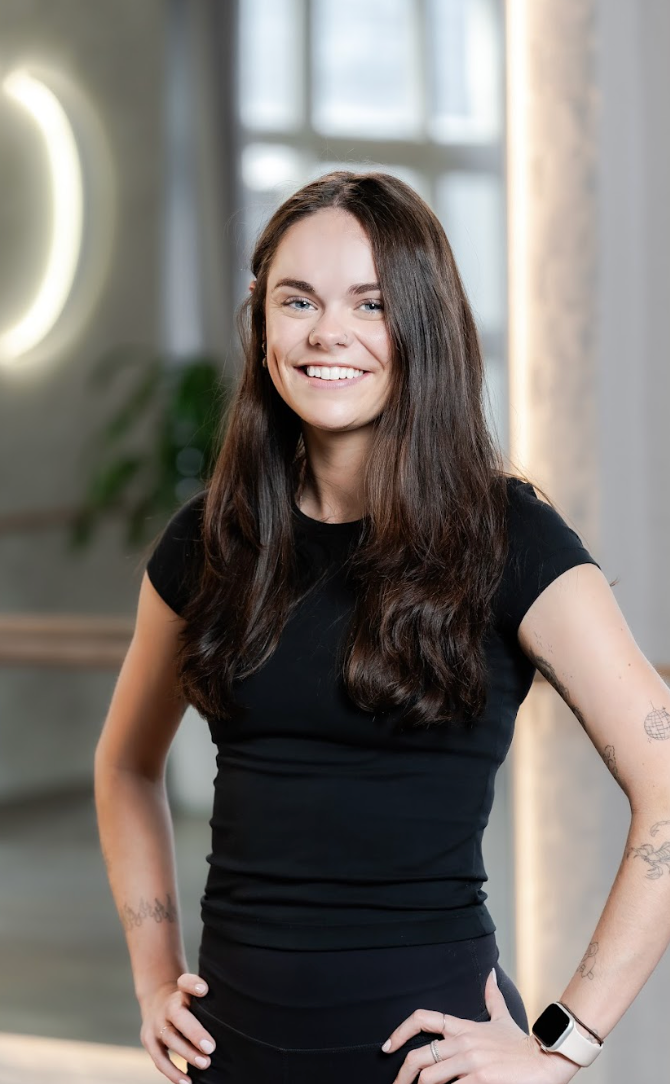
sara craighead
founder, green daisy
hey there, lovely people!
today, my inbox and feeds were absolutely buzzing with the news of Google's Project Vista. if you haven't heard, it's their latest assistive AI, designed to help individuals with visual and mobility impairments navigate their daily lives with unprecedented ease.
at green daisy, we often talk about AI that truly matters, the kind that doesn't just optimize ad spend but genuinely improves lives. and this, for me, feels like one of those moments. as sara craighead, founder of green daisy, i'm constantly looking for innovations that push the boundaries of what AI can do for good.
the vista vision: what it means
Project Vista isn't just another voice assistant. it's an intelligent companion that can describe complex visual scenes, guide users through unfamiliar environments, and even interpret gestures and subtle cues for those with speech difficulties. imagine walking into a new café, and your AI assistant not only tells you where the empty tables are but also describes the menu specials on the board and the general vibe of the place. for millions, this could be a game-changer.
beyond the hype: real-world impact
it’s easy to get caught up in the philosophical debates around AI, but developments like Project Vista bring us back to earth. this isn't about hypothetical future risks; it's about immediate, tangible benefits. for businesses, integrating such accessibility tools can unlock new markets and foster a more inclusive society. at green daisy, we believe that the most impactful AI solutions are those built with diverse user needs in mind from the start.
the accessibility imperative
this launch really highlights the growing trend of "AI for good." it reminds us that AI isn't just about creating efficiency; it's about augmenting human potential and bridging gaps. this kind of inclusive design isn't just a nice-to-have anymore; it's becoming an imperative for technology companies that want to make a genuine difference.
what are your thoughts on AI's role in enhancing accessibility? have you seen or used similar tools?
want to talk about this?
book a free clarity session and let's discuss how AI can work for your business.
let's chat